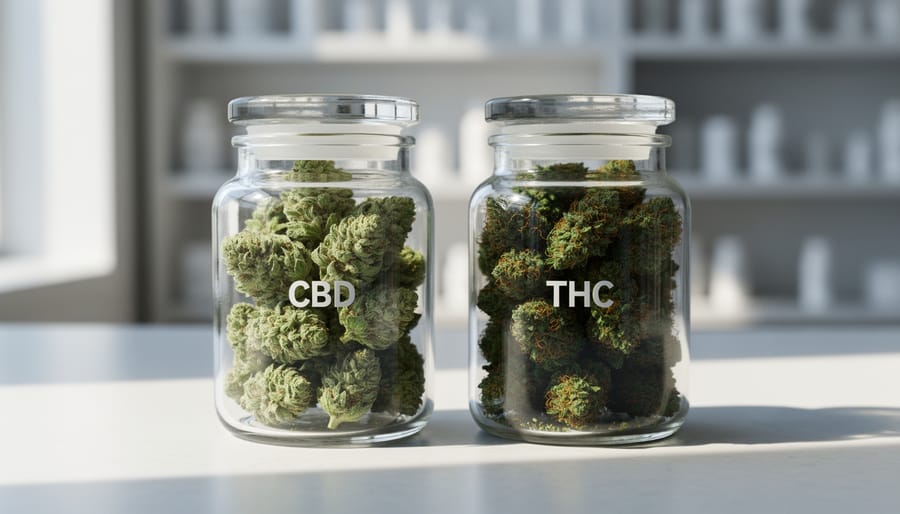
Neither CBD nor THC from hemp is automatically the better choice. The right cannabinoid depends on whether you’re seeking therapeutic relief without intoxication (CBD) or if you’re prepared to navigate Canada’s stricter retail and legal framework for psychoactive effects (THC). Both are regulated identically under the Cannabis Act as of 2026, meaning you’ll find them in the same provincially licensed dispensaries, but their effects and applications couldn’t be more different.
If you’ve landed on the Exhale Wellness homepage or similar resources searching for clarity, you’re not alone. Thousands of Canadians are trying to decode the legal, medical, and practical differences between these two cannabinoids, especially as Health Canada proposes new frameworks that could eventually allow CBD products to be sold without a prescription. Right now, though, the playing field is level from a regulatory standpoint, even if your body responds to each compound in dramatically distinct ways.
CBD offers potential therapeutic benefits like pain relief, anxiety reduction, and anti-inflammatory support without the high. THC delivers its own medical applications but comes with psychoactive effects that some users welcome and others want to avoid entirely. Dr. Anita Sharma, a cannabinoid researcher based in Toronto, puts it simply: “CBD won’t alter your mental state, which makes it the go-to for patients who need symptom management during work or caregiving. THC can offer deeper relief for certain conditions, but you’ll need to plan your day accordingly.”
This guide breaks down every critical dimension, from the March 2026 labelling changes to therapeutic use cases, so you can make an informed choice that fits your goals, lifestyle, and legal comfort level.
CBD vs. THC: At-a-Glance Comparison
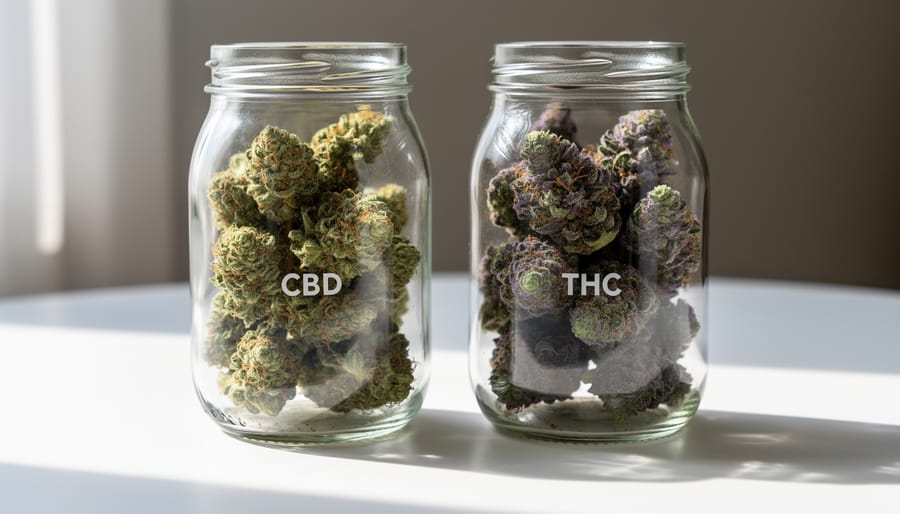
CBD and THC represent two distinct paths in cannabis use, each with unique effects and applications. While both come from the same plant family, they differ fundamentally in how they affect your mind and body, how Canadian law treats them, and what you can realistically expect from each compound.
| Aspect | CBD | THC |
|---|---|---|
| Psychoactive Effects | Non-intoxicating; doesn’t produce a “high” | Psychoactive; alters perception and mood |
| Legal Limit in Industrial Hemp | No limit (unlimited CBD permitted) | Maximum 0.3% THC content |
| Regulatory Status in Canada | Regulated under Cannabis Act (proposed framework may allow prescription-free sales) | Regulated under Cannabis Act |
| Primary Uses | Anxiety relief, inflammation, daytime wellness without impairment | Pain management, appetite stimulation, sleep aid, recreation |
| Where to Buy Legally | Provincial cannabis dispensaries and authorized retailers | Provincial cannabis dispensaries and authorized retailers |
The most immediate difference you’ll notice is how these cannabinoids feel. CBD won’t alter your mental state or interfere with work, driving, or daily responsibilities. THC, conversely, produces the characteristic cannabis high that some seek for recreation or therapeutic relief but that others prefer to avoid.
From a legal standpoint, both cannabinoids fall under the same Cannabis Act regulations in Canada, meaning all products containing either compound must currently be purchased through provincially regulated dispensaries. Health Canada is considering a new framework that could eventually allow CBD products to be sold without prescription through different channels, though this change hasn’t taken effect yet. When you shop for either cannabinoid, labels after March 12, 2026, must account for potential cannabinoid conversion in addition to actual quantities, giving you a clearer picture of total possible THC and CBD content.
What CBD and THC Actually Are
What Is CBD?
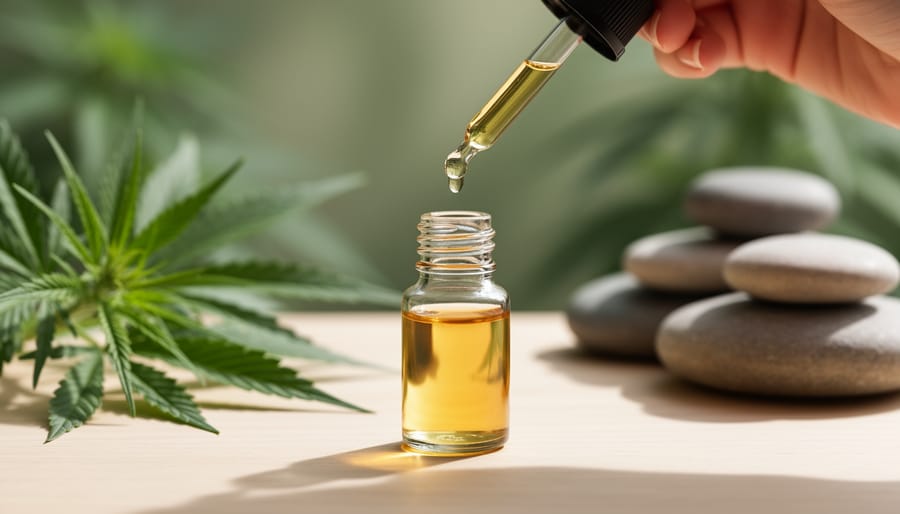
Cannabidiol, or CBD, is one of over 100 naturally occurring compounds called cannabinoids found in cannabis plants, including hemp. Unlike its more famous cousin THC, CBD won’t get you high. It’s completely non-psychoactive, meaning it doesn’t alter your state of mind or impair your ability to function normally throughout the day.
CBD is typically extracted from hemp plants through various methods, including CO2 extraction and ethanol extraction, which isolate the compound from the plant material. In Canada, industrial hemp can contain unlimited amounts of CBD as long as THC levels stay below 0.3%. Once extracted, CBD is formulated into oils, capsules, topicals, and other products.
Here’s what makes CBD different: it interacts with your body’s endocannabinoid system in a subtle way. Rather than binding directly to cannabinoid receptors like THC does, CBD influences these receptors indirectly and affects other receptor systems in your body. Many users report feeling calmer or experiencing relief from discomfort without any sensation of intoxication or euphoria.
In Canada, CBD is regulated under the Cannabis Act just like THC, regardless of its non-psychoactive nature. This means all CBD products must be sold through provincially regulated legal cannabis dispensaries, and labels must clearly state both THC and CBD quantities. Health Canada is currently proposing a new regulatory framework that could eventually allow CBD products to be sold without a prescription, though this change hasn’t yet been implemented.
What Is THC?
Tetrahydrocannabinol, or THC, is the primary psychoactive compound in cannabis, the one responsible for the “high” people associate with marijuana use. When you consume THC, it binds directly to cannabinoid receptors in your brain and central nervous system, altering perception, mood, and consciousness in ways CBD simply doesn’t.
Structurally, THC and CBD are nearly identical twins. Both contain 21 carbon atoms, 30 hydrogen atoms, and 2 oxygen atoms. The difference? A single atomic arrangement. That tiny shift changes everything about how your body responds. THC’s shape lets it lock onto CB1 receptors in your brain like a key in a lock, triggering psychoactive effects. CBD’s slightly different structure means it interacts with the endocannabinoid system indirectly, without producing intoxication.
In hemp-derived cannabis, THC appears in varying concentrations. Industrial hemp grown legally in Canada must contain no more than 0.3% THC, which is too low to produce significant psychoactive effects. Cannabis plants bred for recreational or medical use contain much higher THC levels, sometimes 15%, 20%, or more, delivering the potent effects users seek.
Beyond the high, THC offers therapeutic benefits many find valuable: pain relief, appetite stimulation, nausea reduction, and sleep support. But those same psychoactive properties can interfere with work, driving, and daily responsibilities. That’s why understanding THC’s effects matters when choosing between cannabinoids.
Key Differences: CBD vs. THC Compared
Psychoactive Effects and User Experience

The most dramatic difference between CBD and THC lies in their effect on your mind. THC is psychoactive, it produces the characteristic “high” by binding strongly to CB1 receptors in your brain, altering perception, mood, and time sense. Users commonly report euphoria, relaxation, altered sensory experiences, and sometimes anxiety or paranoia, especially at higher doses. One recreational user describes it: “THC gives me that floaty, giggly feeling where music sounds incredible and food tastes amazing, but I definitely can’t handle work emails in that state.”
CBD, by contrast, doesn’t produce intoxication. It interacts with the endocannabinoid system differently, modulating rather than activating CB1 receptors, so consciousness remains clear. A medical cannabis patient who switched to CBD oil shares: “I needed pain relief without feeling stoned. With CBD, I get calmer and my discomfort eases, but my head stays completely clear. I can drive, work, and function normally.”
This distinction shapes daily use dramatically. THC typically impairs coordination, reaction time, and short-term memory during effects, making it unsuitable for driving or operating machinery. CBD allows full functionality, you remain alert, focused, and legally able to perform all activities. For new users concerned about losing control or those needing symptom relief during work hours, CBD’s non-impairing profile proves essential.
Legal and Regulatory Status in Canada
Canada treats CBD and THC equally under the Cannabis Act, regardless of which plant they come from. Both cannabinoids fall under the same strict regulatory framework introduced during cannabis legalization meaning CBD doesn’t enjoy a separate legal status as a natural health product or supplement. Whether you’re buying a high-THC flower or a CBD-only oil, you must purchase through provincially regulated dispensaries, the only legal retail channels in Canada.
Industrial hemp cultivation reveals an interesting regulatory distinction. Farmers can grow hemp with unlimited CBD content, but the THC threshold remains fixed at 0.3%. This no limit on CBD policy reflects the compound’s non-psychoactive nature, though finished consumer products still require Cannabis Act compliance for retail sales.
Health Canada is proposing changes that could allow CBD products to be sold without a prescription through new regulatory pathways, though no timeline has been confirmed for implementation. Meanwhile, labelling standards are evolving. After March 12, 2026, the updated THC/CBD labelling requirements mandate that packages display both the actual cannabinoid quantities and the total amount accounting for potential conversion between compounds during storage. Licensed producers may still voluntarily list actual quantities, but the conversion-adjusted totals become mandatory.
This regulatory parity means choosing between CBD and THC doesn’t involve navigating different legal systems, both require the same purchasing channels and oversight, with distinctions appearing primarily in concentration limits for industrial source material rather than consumer access rules.
Therapeutic Uses and Medical Benefits
Both CBD and THC offer distinct medicinal benefits though they work through different pathways in your body. Research shows CBD excels at reducing inflammation and managing anxiety without altering consciousness, making it particularly valuable for conditions like arthritis, epilepsy, and generalized anxiety disorder. Many users report CBD helps them maintain mental clarity while addressing chronic discomfort.
THC demonstrates stronger efficacy for severe pain management, especially neuropathic pain that doesn’t respond well to conventional treatments. It’s also more effective for stimulating appetite in patients undergoing chemotherapy and for managing certain sleep disorders. The psychoactive component that produces a “high” isn’t just recreational, it contributes to THC’s pain-relieving properties.
For some conditions, combining both cannabinoids yields superior results. Patients managing multiple sclerosis spasticity or cancer-related symptoms often find balanced CBD-THC formulations more effective than either compound alone. The CBD appears to moderate THC’s intensity while preserving its therapeutic action.
Your ideal choice depends on your specific condition, tolerance for psychoactive effects, and daily responsibilities. Those needing daytime symptom relief typically gravitate toward CBD, while patients with severe pain or sleep issues often require THC’s stronger effects.
Side Effects and Safety Considerations
Both cannabinoids have generally favorable safety profiles, but distinct side effect patterns. CBD typically produces mild effects like drowsiness, dry mouth, reduced appetite, or digestive upset. It may also interact with certain medications by affecting liver enzyme activity, so consultation with healthcare providers is essential for anyone on prescription drugs. THC’s psychoactive nature brings additional considerations: impaired coordination, altered perception, increased heart rate, anxiety or paranoia (particularly at higher doses), and short-term memory disruption during intoxication. Regular THC use can lead to tolerance development, requiring higher doses for the same effects, while CBD doesn’t produce tolerance in the same way.
Long-term side effects remain an area of ongoing research for both compounds. THC carries greater risk of dependence with chronic heavy use, especially when started in adolescence, while CBD has shown a lower abuse potential. Neither cannabinoid has been associated with fatal overdose. Both can cause temporary cognitive impairment, though THC’s effects are more pronounced. Pregnant or breastfeeding individuals should avoid both cannabinoids due to potential developmental concerns.
Product Types and Availability
In Canada, both CBD and THC products are sold exclusively through provincial dispensaries and authorized legal channels under the Cannabis Act, there’s no separate health store category for CBD, regardless of cannabinoid ratios. You’ll find both compounds in identical product formats: dried flower, oils, capsules, edibles, vapes, topicals, and concentrates. The primary difference lies in formulation, CBD-dominant products contain minimal THC (often well below 0.3%), while THC-focused options range from balanced ratios to high-potency concentrates exceeding 80% THC.
Delivery methods affect onset and duration differently for each cannabinoid. Inhalation (flower or vape) delivers rapid effects within minutes but shorter duration, making smoking weed effects more immediate whether you’re using CBD or THC. Oils and capsules take 30 to 90 minutes with longer-lasting results. The effects of edibles peak later and last several hours, requiring careful dosing especially with THC. Topicals deliver localized relief without systemic absorption, making them popular for CBD-based pain management.
Product labels must display both individual cannabinoid quantities and potential conversion amounts, a requirement formalized after March 12, 2026, though producers may still list actual content alongside converted figures.
Who Should Choose CBD vs. THC
When CBD Is the Better Choice
CBD suits situations where you need therapeutic benefits without cognitive effects that interfere with daily activities. If you’re working, driving, or managing responsibilities that require full mental clarity, CBD won’t impair your judgment or reaction time, you can use it in the morning and function normally throughout your day.
For anxiety management, CBD offers relief without the potential for increased anxiety or paranoia that some people experience with THC. New users particularly appreciate this predictable, grounding effect without the uncertainty of psychoactive experiences.
Legal employment considerations matter too. While both CBD and THC products must be purchased through provincially regulated dispensaries in Canada under the Cannabis Act, CBD won’t typically trigger workplace drug tests that screen for THC metabolites. This makes it the safer choice if you’re in a position with workplace testing requirements or professional licensing standards.
Sensitive users who’ve had negative experiences with cannabis, racing thoughts, dizziness, or discomfort, often find CBD provides the wellness benefits they’re seeking without those side effects. Parents, caregivers, and anyone who simply prefers to stay clear-headed while managing pain, inflammation, or sleep issues consistently report that CBD fits their lifestyle better.
If you’re exploring cannabis for the first time, CBD offers a low-risk starting point to understand how cannabinoids affect your body.
When THC May Be More Appropriate
THC’s psychoactive properties, often viewed as drawbacks, can deliver significant therapeutic advantages in specific situations. For severe chronic pain that hasn’t responded well to other treatments, THC’s ability to alter pain perception provides relief that CBD alone may not achieve. Many medical cannabis patients report that THC’s direct impact on pain signals makes it indispensable for conditions like fibromyalgia or nerve damage.
Sleep disorders represent another area where THC shines. While CBD may address underlying anxiety affecting sleep, THC directly induces drowsiness and helps users fall asleep faster. Those struggling with insomnia often find that THC products taken before bed provide more immediate results than non-psychoactive alternatives.
THC also stimulates appetite, a crucial benefit for people undergoing chemotherapy, managing HIV/AIDS, or dealing with severe eating disorders. This “munchies” effect, though sometimes joked about, can be life-changing for patients who struggle to maintain healthy weight.
Beyond medical applications, some users simply prefer THC’s psychoactive experience. Whether for relaxation, creativity, or social enjoyment, recreational users seek the altered consciousness that THC provides. If you’re comfortable with impairment and not subject to workplace drug testing, THC offers effects that CBD fundamentally cannot replicate.
The key consideration: THC requires planning around its intensity and duration, making it less suitable for situations requiring full alertness.
Combining CBD and THC
Many cannabis users find that combining CBD and THC delivers better results than either cannabinoid alone, a phenomenon scientists call the “entourage effect.” This theory suggests that cannabinoids work together synergistically, with each compound enhancing or modulating the effects of the others.
In practical terms, CBD appears to soften some of THC’s more intense psychoactive effects. Users report that balanced products produce less anxiety, paranoia, and cognitive impairment than high-THC options while still delivering therapeutic benefits. A 1:1 or 2:1 CBD-to-THC ratio often provides pain relief and relaxation without overwhelming intoxication, making these products appealing for medical users who need symptom control during work hours or daily activities.
Balanced formulations also allow you to access THC’s unique therapeutic properties, appetite stimulation, sleep promotion, pain relief, while maintaining clearer thinking and functionality. This middle ground suits people who’ve found pure CBD insufficient but pure THC too impairing.
Start with lower doses when trying combination products, since individual responses vary widely. What feels balanced to one person may still feel too psychoactive to another, depending on tolerance and sensitivity.
Understanding Labels and Product Information
Navigating Canadian cannabis labels requires understanding what’s legally mandatory and how to spot products that meet your needs. Every cannabis product sold through legal channels must display both THC and CBD content in clear terms, helping you make informed choices whether you’re seeking therapeutic relief or avoiding psychoactive effects entirely.
Start by checking the milligrams or percentage listed for each cannabinoid. A product labeled “10mg CBD / 0mg THC” offers CBD without psychoactive potential, while “5mg CBD / 5mg THC” provides balanced amounts of both. These quantities tell you exactly what you’re consuming per dose or per package.
As of March 12, 2026, labels must account for potential cannabinoid conversion, specifically, the fact that CBD-A (the raw form in the plant) can convert to CBD, and THC-A can convert to THC when heated. Products now display “total THC and CBD taking into account the potential conversion of cannabinoids” alongside the actual quantities present. This dual-label approach gives you both the current content and the maximum potency after activation through smoking, vaping, or cooking. Licensed producers may continue listing actual quantities if they choose, but the conversion-adjusted figures are now required.
Look for the Health Canada cannabis excise stamp, a small, standardized mark confirming the product passed federal regulations and comes from a licensed producer. This stamp verifies compliance with legal standards, including proper testing and accurate labeling.
Check the product’s THC-to-CBD ratio if you’re combining both cannabinoids. A 20:1 CBD-to-THC ratio keeps psychoactive effects minimal, while a 1:1 ratio provides balanced effects. Understanding these numbers helps you select products aligned with your tolerance, goals, and daily routine without guesswork.
Common Questions About CBD and THC
Whether you’re considering your first cannabis purchase or navigating the evolving regulatory landscape, certain questions come up repeatedly. Here are clear answers to the most common concerns about hemp-derived CBD and THC.
Can CBD convert to THC in the body?
No, CBD does not convert to THC inside the human body under normal physiological conditions. However, CBD can potentially convert to THC under specific acidic conditions during laboratory testing or product manufacturing, which is why labels must now account for potential cannabinoid conversion after March 12, 2026.
Will CBD show up on a drug test?
Pure CBD itself won’t trigger a positive result on standard workplace drug tests, which screen for THC metabolites. However, full-spectrum CBD products legally contain trace amounts of THC (up to 0.3% in industrial hemp), and regular use of high doses could potentially accumulate enough THC metabolites to cause a positive test result, though this is uncommon.
Can I travel with CBD or THC products in Canada?
Yes, adults can travel with legal cannabis products within Canada, carrying up to 30 grams of dried cannabis or equivalent, whether CBD or THC dominant. However, taking any cannabis products across international borders, including to countries or states where cannabis is legal, remains illegal under Canadian federal law and could result in serious criminal penalties.
What’s changing with the proposed CBD regulations?
Health Canada is proposing a new regulatory framework that could allow CBD products to be sold without a prescription and potentially through channels beyond provincial dispensaries. The timeline and specific details remain under development, but this could significantly expand access to CBD-only products for consumers who don’t want THC or the psychoactive effects associated with it.
Another frequent question involves dosing equivalency. There’s no direct conversion between CBD and THC dosages because they work through different mechanisms and produce fundamentally different effects. A 25mg CBD dose won’t produce the same experience as 25mg THC, and therapeutic applications differ substantially. CBD typically requires higher doses for effect (often 20-100mg or more depending on the condition), while THC produces noticeable psychoactive effects at much lower doses, sometimes as little as 2.5-5mg for new users.
Understanding these distinctions matters not just for compliance but for your own safety and satisfaction. Emerging research, including studies on CBD superbugs and antimicrobial properties, continues to reveal new potential applications for cannabinoids beyond the effects we already understand. As regulations evolve and science advances, staying informed helps you make choices aligned with your needs while respecting the legal framework governing these powerful compounds.
What Each Option Is
Before diving into detailed comparisons, it’s helpful to establish what CBD and THC actually are in straightforward terms.
CBD (Cannabidiol) is a naturally occurring compound found in cannabis plants, including hemp. It doesn’t produce a “high” or alter your mental state. When you use CBD products, you won’t experience euphoria, impairment, or changes in perception. Many people turn to CBD for potential wellness benefits while maintaining full mental clarity throughout their day.
THC (Tetrahydrocannabinol) is the primary psychoactive compound in cannabis. This is what creates the characteristic “high” associated with cannabis use, altered perception, euphoria, and changes in how you experience time and sensations. THC directly affects your consciousness and cognitive function, which is why some users seek it for both recreational enjoyment and specific therapeutic purposes.
Both compounds interact with your body’s endocannabinoid system, but they bind to different receptors and produce distinctly different effects. In Canada, despite their different properties, CBD and THC are regulated identically under the Cannabis Act. This means CBD products, even those with zero THC, must be sold through provincially regulated legal cannabis dispensaries, just like THC products. Industrial hemp can contain unlimited CBD but must stay below 0.3% THC content.
Understanding the distinctions between hemp-derived CBD and THC empowers you to make choices that align with your wellness goals, lifestyle, and legal comfort level. These two cannabinoids serve different purposes in the cannabis landscape, CBD offers therapeutic potential without psychoactive effects, while THC provides both recreational and medical benefits through its consciousness-altering properties. Neither is inherently “better”; they’re simply different tools suited to different needs.
Your individual circumstances should guide your decision. Consider your daily responsibilities, sensitivity to psychoactive effects, specific health concerns, and whether you’re using cannabis for medical relief or personal wellness. If you’re managing a medical condition, consulting with a healthcare provider familiar with cannabis therapeutics can help you navigate dosing, potential drug interactions, and whether CBD, THC, or a balanced combination might serve you best. They can provide personalized guidance that generic recommendations can’t match.
Remember that regulations continue to evolve. In Canada, both cannabinoids currently fall under the Cannabis Act and must be purchased through provincially regulated dispensaries, though proposed regulatory changes may eventually alter how CBD products become available. Stay informed about labeling requirements and verify that products meet legal standards, particularly the March 12, 2026 changes regarding cannabinoid conversion labeling.
Ultimately, informed choice beats guesswork. Start conservatively with either cannabinoid, observe how your body responds, and adjust accordingly. Both CBD and THC have earned their places in the cannabis world through genuine therapeutic and personal benefits, your job is simply deciding which fits your life right now.